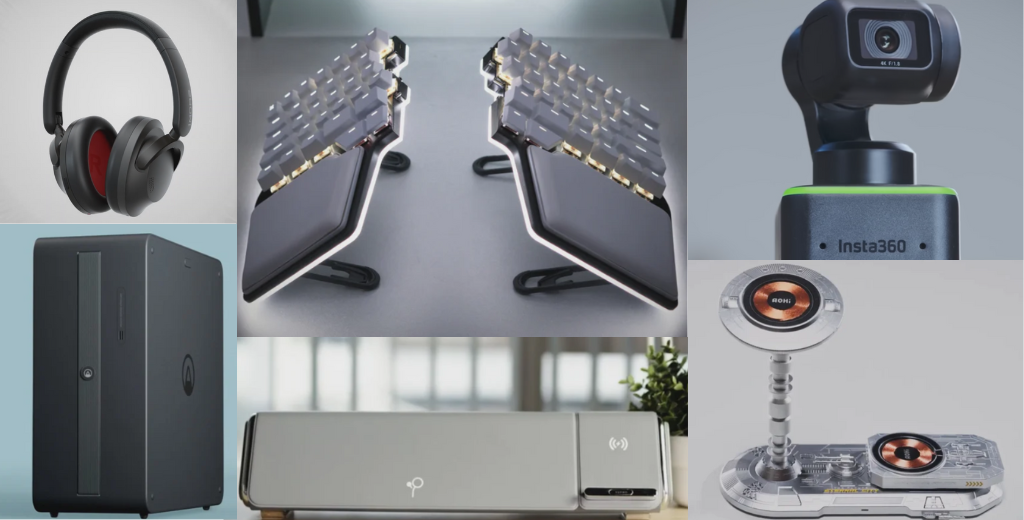
How Consumer Gadget Cravings Drive Technological Advancements
The relentless consumer gadget cravings exhibited by tech enthusiasts and everyday users alike have significantly propelled technological advancements. As consumers increasingly seek out cutting-edge gadgets, manufacturers are compelled to innovate relentlessly in order to meet these evolving demands. The cycle is quite symbiotic: as new features are introduced—such as enhanced processing power, improved battery life, and sophisticated AI capabilities—customer satisfaction raises the bar for future products, setting a precedent for even greater innovation. This dynamic can be seen across various sectors, from smartphones to wearable technology, where the appetite for the latest advancements drives both small and large tech companies to push the envelope.
Furthermore, this phenomenon of gadget cravings extends beyond mere consumerism; it serves as a catalyst for research and development. Companies invest heavily in understanding consumer preferences and behaviors, which in turn helps them tailor their products to suit market needs. For instance, the growing interest in smart home devices has led to increased investment in Internet of Things (IoT) technologies. As consumers express a desire for more interconnected and convenient lifestyles, companies are responding with innovative solutions, thus driving the advancement of technology at an unprecedented pace. In essence, as long as there is a demand for the latest gadgets, there will be a corresponding drive for innovation.
Counter-Strike is a highly competitive first-person shooter that has captivated gamers since its inception. Players assume the roles of terrorists or counter-terrorists in various gameplay modes, aiming to complete objectives or eliminate the opposing team. For those looking to enhance their gaming experience, check out the Top 10 iphone accessories under 50 that can make a difference in your setup.
The Hidden Impact of Gadget Obsession on Innovation
The rise of technology in our daily lives has led to a phenomenon known as gadget obsession, where individuals are increasingly reliant on their electronic devices. This dependency can have a hidden impact on innovation, as the constant engagement with gadgets often results in diminished creative thinking and problem-solving abilities. Studies suggest that individuals who spend excessive time on their devices are more likely to experience decreased attention spans, ultimately stifling their capacity to generate new ideas and concepts. As we become more engrossed in our screens, we may inadvertently neglect the real-world interactions and experiences that fuel innovation.
Moreover, the gadget obsession influences the type of innovations that emerge in the market. Instead of groundbreaking inventions, we often see incremental improvements on existing technologies. This cycle can create an environment where companies prioritize short-term gains over long-term visionary projects. As consumers become accustomed to constant upgrades and new features, the pressure to deliver quick fixes may overshadow more substantial innovations that require time and dedication. In this way, the relentless pursuit of the next gadget can ultimately hinder our ability to think outside the box and foster transformative advancements in technology.
Are Your Gadget Desires Shaping the Future of Technology?
The evolving landscape of technology is increasingly influenced by consumer preferences and gadget desires. As we witness rapid advancements in innovation, it is consumers' fascination with devices that drives manufacturers to develop more sophisticated features and functionalities. For instance, the rise of smart home technology is largely a response to the growing demand for convenience and automation. Companies are keenly aware that gadget desires translate into market success; hence, they prioritize the creation of products that cater to these cravings. This symbiotic relationship not only shapes the products we see in stores but also sets the trajectory for future tech development.
Furthermore, the feedback loop between users and tech developers plays a critical role in shaping new trends and capabilities. Social media platforms and tech forums are buzzing with discussions regarding desired features, and manufacturers are listening closely. Innovations such as foldable smartphones and advanced AI assistants are prime examples of how gadget desires can break conventional molds, leading to the emergence of new categories in technology. As we look ahead, it's clear that our collective appetite for cutting-edge gadgets will continue to push the boundaries, redefining what future technology can achieve.