The Ultimate Guide to Extension Cables: How to Choose the Right One for Your Power Needs
When it comes to purchasing extension cables, choosing the right one for your power needs is crucial. With the vast variety of options available, it's essential to understand key factors that will impact your decision. First, consider the length of the extension cable. Measure the distance from your power source to the device you plan to connect, and select a cable that provides adequate length without excess slack. Additionally, look for cables with the appropriate gauge (AWG) rating. A lower AWG number indicates a thicker wire that can handle more current, which is particularly important for devices that require higher power.
Another vital factor to consider is the number of outlets. If you need to connect multiple devices, opt for a power strip style extension cable. Ensure that the total power draw of all devices plugged into the cable does not exceed its rated capacity, usually measured in watts or amps. Don't forget to check for safety features such as overload protection and surge protection, which can prevent damage to your devices. In summary, when selecting the right extension cable, always focus on length, gauge, outlet count, and safety features to adequately meet your power needs.
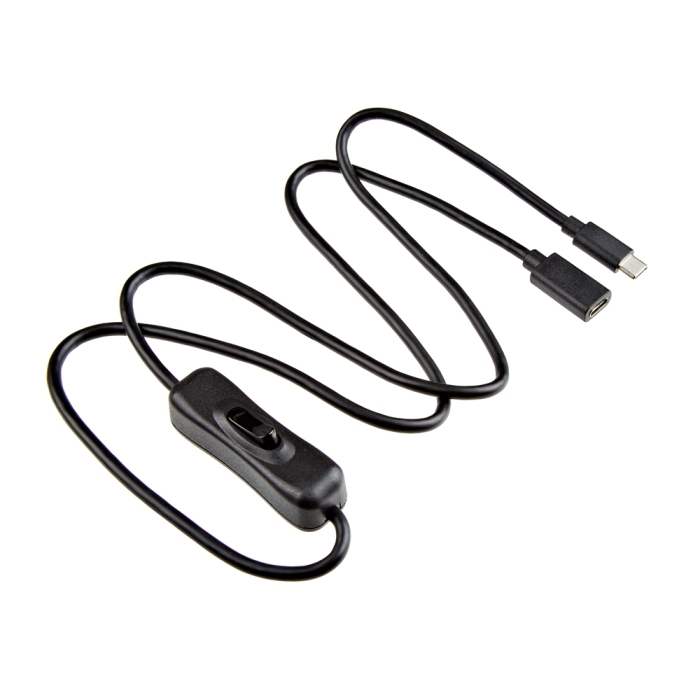
If you're looking to enhance your connectivity options, check out the Top 10 USB C Extension Cables. These cables are perfect for extending the reach of your USB-C devices, ensuring you have the flexibility you need for charging and data transfer. With various lengths and specifications available, you can easily find the right cable for your needs.
10 Creative Uses for Extension Cables: Unlocking New Possibilities
Extension cables are often relegated to being mere power solutions, but their potential extends far beyond that. Here are 10 creative uses for extension cables that can help you unlock new possibilities in your living and working spaces:
- Outdoor Lighting: Use extension cables to power festive outdoor lights for parties or seasonal decorations, illuminating your backyard or garden effortlessly.
- Temporary Workstations: Create makeshift workspaces anywhere by using extension cables to plug in laptops, printers, and other necessary devices.
- DIY Projects: Incorporate extension cables into your DIY home improvement projects, providing power to tools without the hassle of searching for outlets.
- Event Setup: For events or gatherings, use extension cables to ensure all areas have adequate power for audio equipment, catering, or multimedia presentations.
- Camping Essentials: Bring extension cables along on your camping trips to power up devices or lights near your tent, making your outdoor experience more comfortable.
But the creative uses for extension cables don't stop there. Here are more innovative ideas to inspire you:
- Garden Tools: Use extension cables to power electric hedge trimmers or lawnmowers in your garden, saving your back from manual labor.
- Crafting and Arts: Power tools such as glue guns or saws with extension cables when working on crafting projects, providing flexibility and mobility.
- Home Theaters: Set up a cozy movie-watching environment by using extension cables to connect various devices like projectors, speakers, and gaming consoles.
- Smart Home Devices: Utilize extension cables to give life to many smart devices around your home, enhancing convenience and connectivity.
- Poolside Power: Run extension cables safely from indoors to power speakers or chargers during your pool parties, creating a festive atmosphere.
What to Look for in an Extension Cable: Safety Tips and Key Features
When selecting an extension cable, safety should be your top priority. First, always check the current rating of the cable to ensure it can handle your devices' power requirements. A standard household extension cord typically has a rating between 10-15 amps; exceeding this can lead to overheating and fire hazards. Additionally, look for overload protection features, such as built-in circuit breakers that can prevent dangerous situations. Remember to ensure that the insulation of the cable is intact and made from durable materials to avoid electrical shocks or short circuits.
Besides safety, consider the key features of the extension cable that will best suit your needs. Evaluate the length of the cable to ensure it reaches your power outlet without excessive slack. For outdoor use, opt for cables with weatherproof ratings to withstand environmental conditions. Furthermore, check for surge protection to safeguard your electronic devices from sudden voltage spikes. Lastly, multipurpose sockets can add convenience, allowing you to connect multiple devices at once while also providing USB ports for charging mobile gadgets.