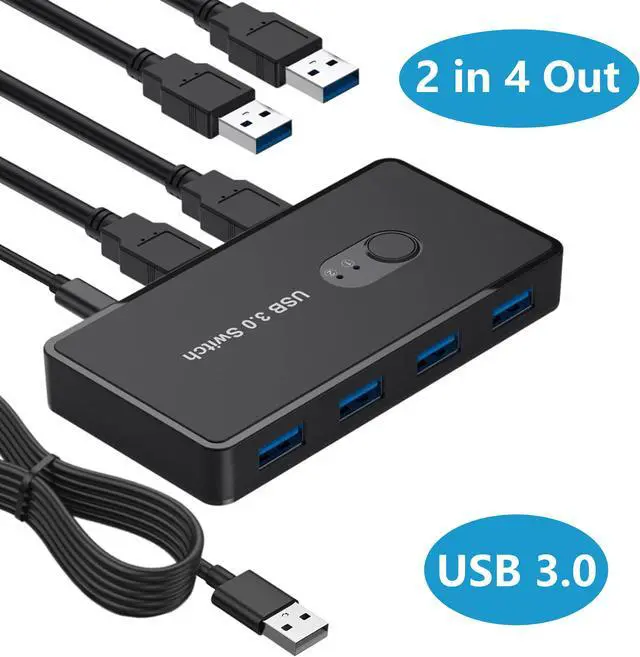
Top 5 USB Selectors Compared: Features, Pros, and Cons
When it comes to managing multiple USB devices, a USB selector can save you both time and effort. In this article, we will compare the Top 5 USB Selectors, highlighting their features, pros, and cons. Choosing the right USB selector is essential for efficient device management, whether you're a professional in need of seamless connectivity or a casual user looking to simplify your setup. Here’s a breakdown of what each model offers:
- Model A: This selector boasts a sleek design and supports up to 4 devices simultaneously. Its primary advantage is fast data transfer rates, but it lacks an external power supply, which can limit its functionality for high-powered devices.
- Model B: With enhanced compatibility, this model is known for its user-friendly interface. Its main drawback, however, is its slightly bulkier design that may not suit all setups.
- Model C: A standout in terms of pricing, offering excellent value for those on a budget, but with slower data speeds compared to pricier options.
- Model D: Featuring unique LED indicators, this selector allows users to easily see which devices are active. Its major con is its limited compatibility with older USB devices.
- Model E: A premium choice, this selector includes a built-in hub and multiple ports for expanded connectivity. However, it comes with a higher price tag, potentially deterring cost-conscious buyers.
If you're looking for a way to easily switch between multiple USB devices, the Top 10 USB Switch Selectors can help streamline your setup. These devices allow you to connect several peripherals and switch between them with the push of a button, making them ideal for various applications. Whether for gaming, office work, or creative projects, finding the right USB switch selector can enhance your productivity and efficiency.
The Ultimate Guide to Choosing the Right USB Selector for Your Needs
When it comes to selecting the right USB selector for your needs, it's crucial to consider the type of devices you will be connecting. A USB selector can streamline your setup by allowing multiple USB devices, such as printers, external drives, and other peripherals, to operate seamlessly. Begin by determining the number of USB ports you require. Most selectors range from 2 to 10 ports, and choosing the right number ensures you won’t face connectivity issues later. Additionally, examine the data transfer speeds offered by the selector—USB 2.0 is common, but opting for a USB 3.0 selector can significantly enhance your data transfer rates.
Another vital factor to consider is the power supply. Some USB selectors operate passively, drawing power from connected devices, while others may have their own power sources. If you plan to connect power-hungry devices, a powered USB selector is the way to go. Finally, read user reviews to gather insights on reliability and performance. Make sure to also consider warranty and customer support, as having assistance can be invaluable if you encounter issues with your USB selector. By taking these aspects into account, you'll be well on your way to making an informed decision that fits your specific needs.
USB Selector Showdown: Can One Device Handle All Your Connections?
When it comes to managing multiple devices, a USB selector promises to simplify your connectivity woes. With the increasing number of gadgets we use daily, from printers to external hard drives, the question arises: can one device truly handle all your connections? As we delve into this usb selector showdown, it becomes clear that the right selector can not only streamline your workspace but also enhance your overall productivity. However, choices vary greatly, and understanding the features—such as the number of ports and speed capabilities—can significantly impact your experience.
Consider the different options available in the market. Many USB selectors offer features like plug-and-play functionality, which eliminates the hassle of installing additional software. Moreover, some devices even come equipped with power management systems designed to protect your devices from damage. To make the best choice, assess your needs: Do you require high-speed data transfer, or are you primarily connecting peripherals? Our analysis of these factors will help you determine whether a single USB selector can indeed fulfill all your connectivity aspirations.