The Mechanics of Magic: How Wireless Charging Works
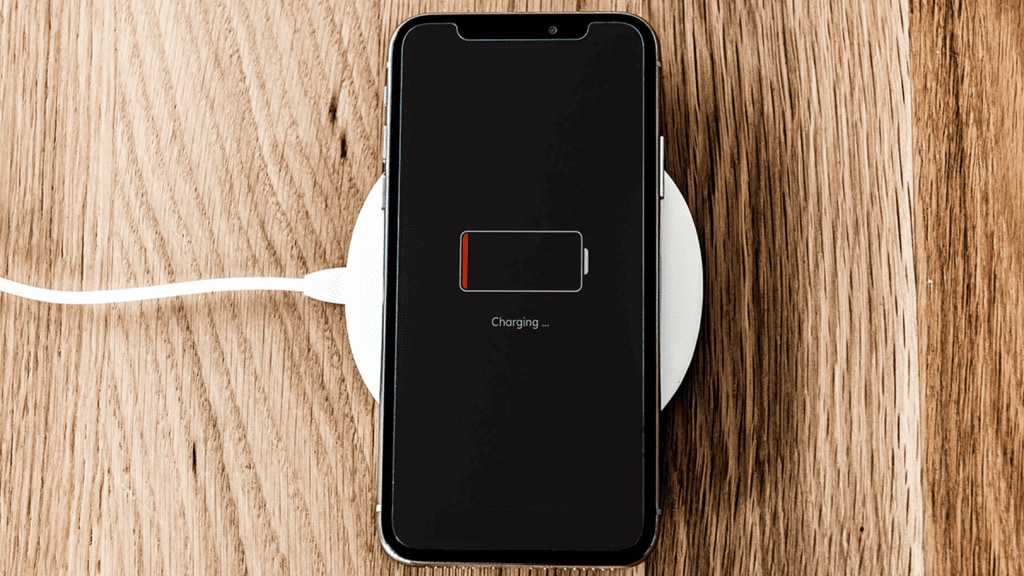
The Mechanics of Magic: How Wireless Charging Works delves into the fascinating world of electromagnetic induction. This innovative technology allows devices to be charged without the need for physical connectors, making it a convenient and efficient solution for modern gadgets. At the heart of wireless charging is a concept known as electromagnetic fields. When an alternating current flows through a coil in the charging station, it generates a magnetic field. This magnetic field induces an electrical current in a second coil located within the device being charged, ultimately replenishing its battery.
The process of wireless charging can be broken down into a few key steps:
- The charging station creates an alternating magnetic field.
- A coil within the device picks up this magnetic energy.
- This energy is converted back into electricity to charge the battery.
Wireless charging stands have become essential accessories for modern smartphone users, offering convenience and efficiency. For those looking to enhance their charging experience, check out the Top 10 Wireless Charging Stands to find the best options on the market. These stands not only provide fast charging capabilities but also ensure your device remains accessible while it powers up.
Is Wireless Charging Safe? Debunking Common Myths
When it comes to wireless charging, many people harbor concerns about its safety, primarily due to misconceptions. One common myth is that wireless charging generates harmful radiation. In reality, the technology uses electromagnetic fields, similar to those in Wi-Fi and radios, which are well within the safety limits established by health organizations. According to the World Health Organization (WHO), the levels of electromagnetic fields produced by wireless chargers are significantly lower than those emitted by everyday electronic devices we commonly use, making it both safe and reliable.
Another prevalent myth suggests that wireless charging can damage your device's battery. This is not entirely true; while it is essential to use high-quality chargers, most modern devices are designed to handle wireless charging efficiently. Wireless charging pads have built-in safeguards that prevent overheating and overcharging, thus protecting your battery's health over time. Therefore, utilizing a reputable charger not only provides a hassle-free charging experience but also ensures the longevity of your device's battery life.
The Future of Power: Why Wireless Charging is Here to Stay
The future of power is evolving rapidly, and one of the most significant advancements is the rise of wireless charging. This technology simplifies the way we power our devices, eliminating messy cables and enhancing user convenience. With growing demand for cleaner energy solutions and a seamless charging experience, wireless charging is becoming an integral part of our daily lives. Companies like Apple, Samsung, and various automotive manufacturers are investing heavily in making wireless charging a standard feature in their products, signaling that this trend isn't just a fleeting novelty.
Looking ahead, the wireless charging industry is expected to expand significantly. Key factors driving this growth include advancements in technology that allow for faster charging speeds and increased efficiency. Moreover, as more public spaces, such as airports and cafes, adopt wireless charging stations, the infrastructure to support this technology is becoming increasingly robust. As a result, it's clear that wireless charging is not just a temporary solution but a permanent fixture in our pursuit of a more convenient, connected, and environmentally-friendly future.