The Versatility of Silicone: Exploring Its Role in Home, Fashion, and Technology
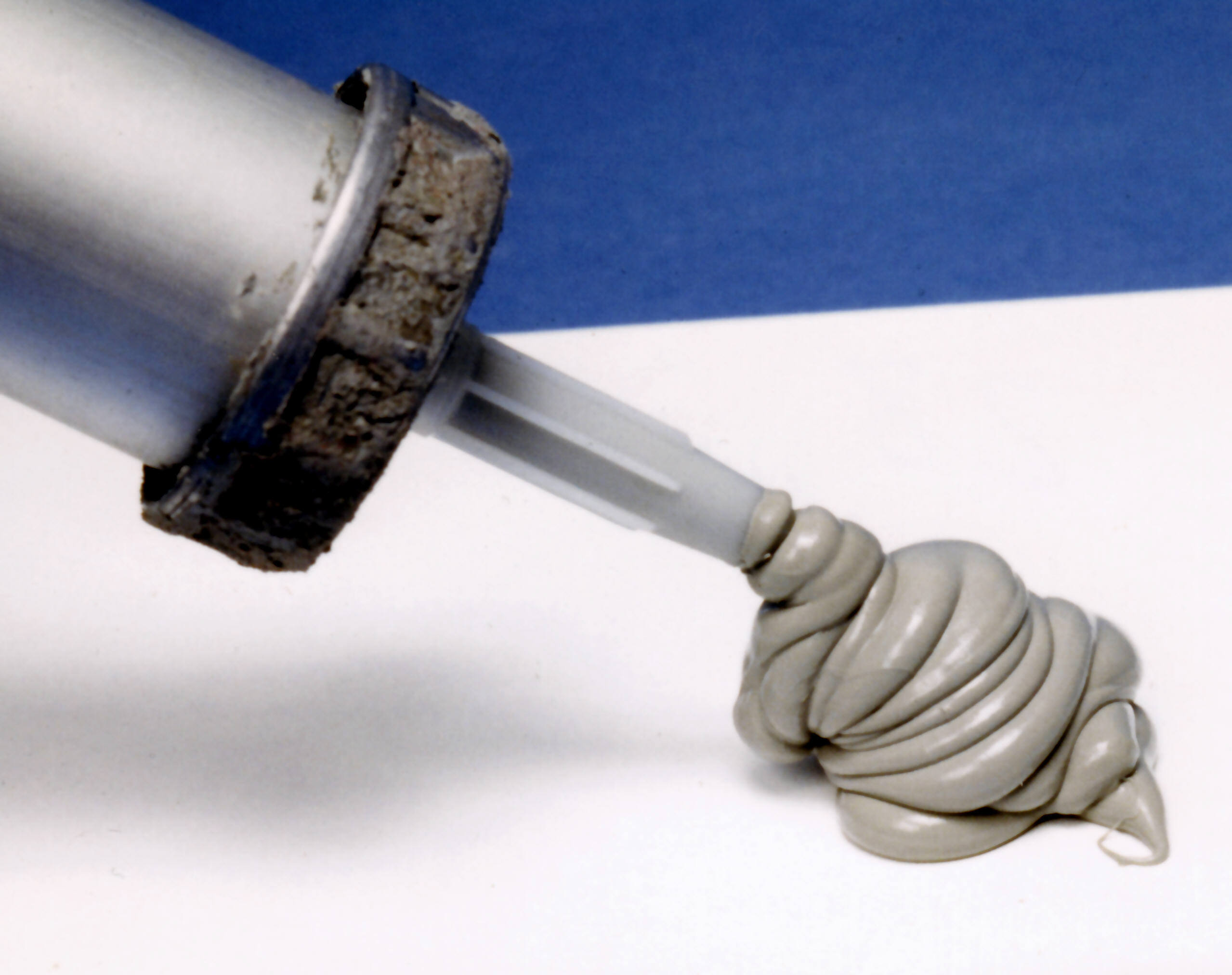
The versatility of silicone has made it a popular material in various industries, particularly in the realms of home, fashion, and technology. In home settings, silicone is utilized for kitchenware, such as baking mats and utensils, due to its heat resistance and non-stick properties. Additionally, its durability makes it an excellent choice for household items like reusable storage bags and containers. Not only does silicone provide functional benefits, but it also comes in a wide range of colors and designs, allowing homeowners to express their personal style while maintaining practicality.
In the fashion industry, silicone has been embraced for creating stylish accessories and clothing. From stylish watch bands to innovative clothing designs, silicone offers flexibility and comfort without sacrificing aesthetics. In technology, silicone is crucial in manufacturing various electronic devices, providing insulation and protection against moisture and heat. Its role in enhancing device longevity and performance cannot be overstated. As we explore the multifaceted applications of silicone, it becomes clear that this remarkable material is both a functional and fashionable choice across multiple domains.
Counter-Strike is a highly popular first-person shooter game that emphasizes teamwork and strategy. Players engage in intense multiplayer matches, often divided into teams of counter-terrorists and terrorists. If you're looking for a break from gaming, check out the Top 10 airpods cases to protect your gear.
Silicone Innovations: How This Material Is Revolutionizing Kitchenware and Beyond
Silicone innovations are transforming the way we think about kitchenware. This versatile material, known for its durability and flexibility, is rapidly replacing traditional materials such as metal and plastic in cooking utensils, bakeware, and storage solutions. Thanks to its non-stick properties, silicone kitchenware simplifies food preparation and cleaning, allowing for effortless handling of baked goods and sautéed dishes alike. Additionally, silicone is heat-resistant, making it a safe option for oven use, and it can withstand temperatures from -40°F to 450°F without compromising its quality.
Beyond the kitchen, silicone is making strides in various industries due to its adaptability and performance. From medical devices to consumer electronics, silicone innovations are enhancing product designs and functionalities. For instance, its hypoallergenic properties make it an ideal choice for surgical tools and implants, while its use in gadgets like phone cases and wearables offers improved durability against wear and tear. As researchers continue to explore new applications for silicone, we can expect this remarkable material to redefine standards across multiple sectors.
Why Silicone? Understanding the Benefits and Applications of This Flexible Material
Silicone has emerged as a versatile and highly adaptable material in various industries, making it a preferred choice for many applications. The flexibility of silicone stems from its unique molecular structure, which allows it to withstand extreme temperatures, resist moisture, and maintain its shape even under stress. Why silicone? This question is answered through its many benefits: it is non-toxic, hypoallergenic, and can be formulated to fit specific needs, whether for home use, industrial applications, or healthcare. Its durability and resistance to degradation from sunlight, ozone, and temperature changes make silicone an ideal option for products that demand longevity and reliability.
From kitchenware to medical devices, the applications of silicone are vast. In the culinary world, silicone bakeware has gained popularity due to its non-stick properties and ease of cleaning, while in the medical field, silicone is used in implants and prosthetics because it mimics the physical properties of biological materials. Furthermore, silicone's electrical insulation properties make it invaluable in the electronics industry, ensuring device safety and performance. With applications spanning multiple sectors, understanding the benefits of silicone can lead to more informed choices for consumers and manufacturers alike.