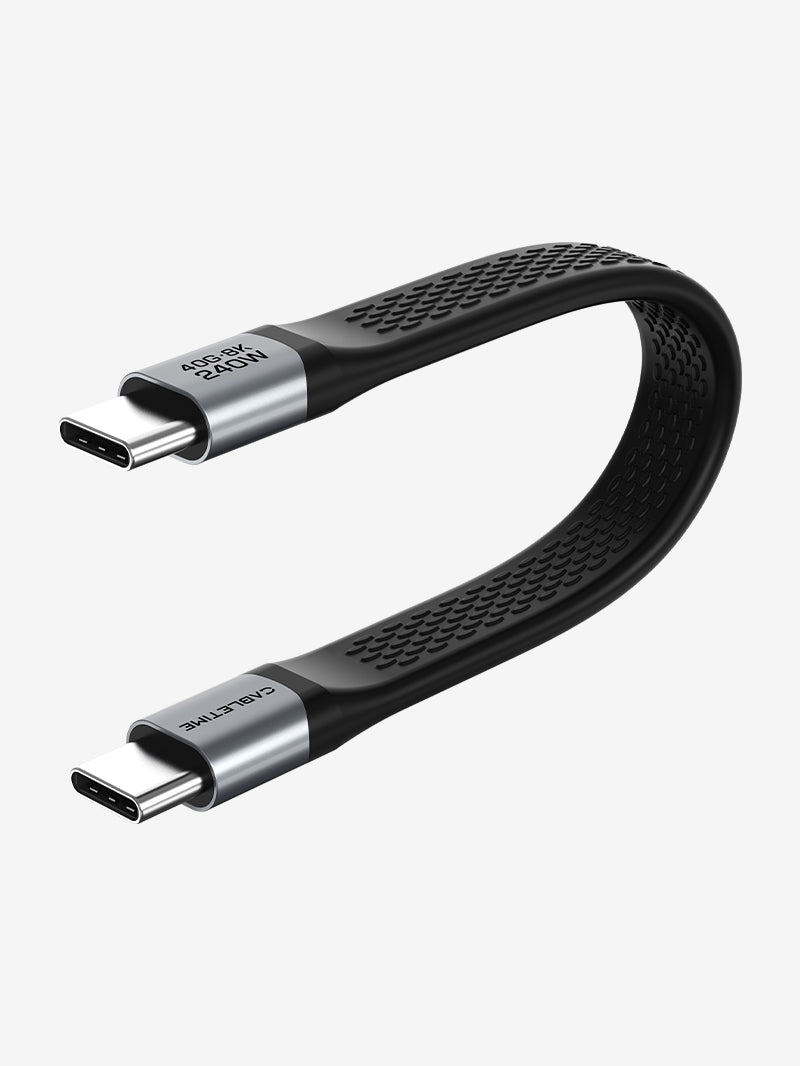
The Benefits of Short Cables: Why Less is More for Your Tech Setup
In today's tech-savvy world, the mantra less is more truly applies to cable management. Short cables not only declutter your workspace but also enhance functionality. With fewer tangles and less clutter, it's easier to connect devices and keep your setup organized. By using short cables, you can prevent unnecessary excess length that often leads to snags and entanglement. This minimizes the risk of damage to the cables and connected devices while also achieving a more streamlined aesthetic in your tech environment.
Moreover, using short cables can improve signal integrity and performance. Longer cables can often introduce noise and signal degradation, which affects data transfer rates and overall efficiency. By choosing shorter lengths, you ensure a cleaner connection and potentially enhance the performance of your electronics.
Consider the following benefits:
- Enhanced Organization: Tidy up your space with minimal excess.
- Improved Performance: Reduce signal loss with shorter distances.
- Cost-Effective: Short cables are often less expensive and easier to replace.
If you're looking for reliable and efficient charging solutions, check out the Top 10 Short USB C Cables. These cables are perfect for connecting devices in tight spaces while ensuring fast data transfer and charging speed. Whether you need them for your smartphone, tablet, or laptop, these options deliver quality performance and convenience.
How to Choose the Right Short Cable for Your Devices
When selecting the right short cable for your devices, it's essential to consider various factors that can affect both performance and compatibility. Start by identifying the type of connections required by your devices, whether it's USB-C, Lightning, or Micro-USB. Each type has unique features, so ensure you choose a cable that supports your specific device's charging and data transfer needs. Additionally, look for cables that are certified by manufacturers to guarantee quality and avoid any potential damage to your devices.
Another important aspect to evaluate is the cable length and build quality. Generally, shorter cables are preferable for connecting devices that are close together, minimizing clutter and improving charging efficiency. Consider looking for cables with reinforced ends and durable materials to ensure longevity. For added convenience, check for features like braided exteriors, which can enhance durability, and consider the thickness of the cable, as it often correlates with the power delivery capabilities. Taking these factors into account will help you make an informed choice when selecting the best short cable for your technology needs.
What to Consider When Upgrading Your Tech Connectivity
Upgrading your tech connectivity is a significant decision that can enhance both productivity and efficiency. There are several key factors to consider before making the leap. First, assess your current connectivity needs by evaluating the number of devices and types of activities you engage in. For instance, streaming high-definition content or conducting large data transfers require faster and more reliable connections. Additionally, consider the future growth of your tech ecosystem. Are you planning to add more devices or smart home systems? If so, investing in scalable solutions will save you from frequent upgrades.
Another critical aspect to ponder is the type of connectivity technology you aim to implement. Whether it’s fiber-optic, 5G, or Wi-Fi 6, each technology comes with specific advantages and limitations. Research the availability and pricing of these options in your area; some might offer better speeds and reliability, while others could be more cost-effective. Finally, don’t overlook the importance of security. Robust connectivity should always be coupled with strong security measures to protect your devices and data from potential threats. Prioritize solutions that offer secure connections to ensure your upgraded tech serves you well without exposing you to risks.