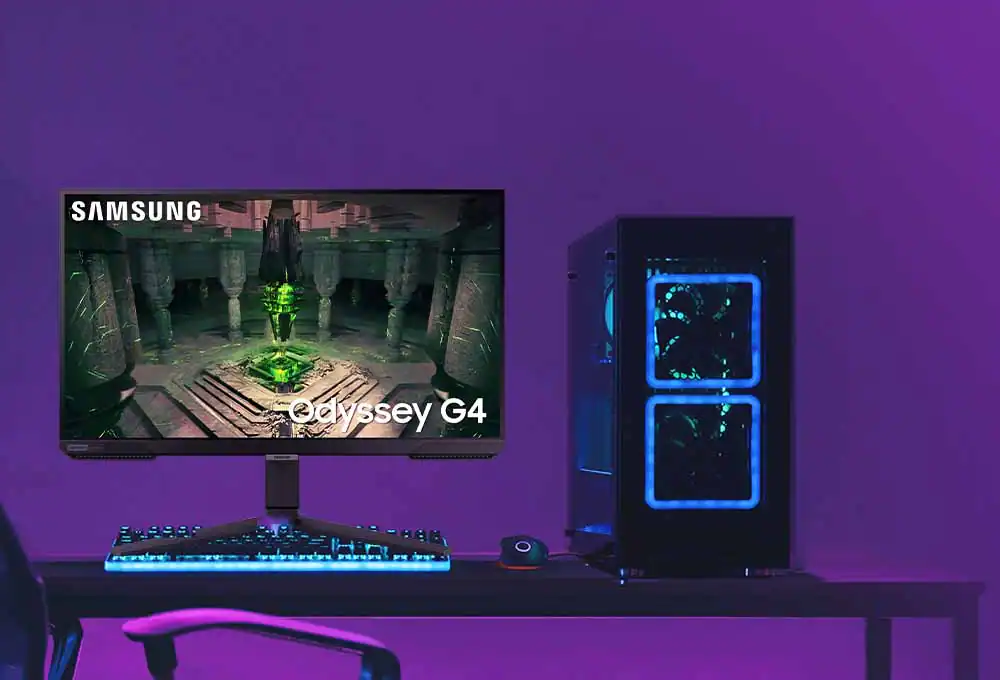
Understanding the Different Types of Monitors: Which One is Right for You?
When it comes to choosing a monitor, it's essential to understand the various types available on the market. The most common types include LCD, LED, and OLED monitors. LCD monitors are often more affordable and serve as a good option for everyday tasks, while LED monitors offer better contrast and color accuracy, making them ideal for graphic design and gaming. On the other hand, OLED monitors provide stunning visuals with deep blacks and vibrant colors, but they can be more expensive. Consider what features are most important to you before making a decision.
Additionally, monitors come in different sizes and resolutions, which can significantly impact your viewing experience. Full HD (1920x1080) is great for general use, while 4K (3840x2160) and UltraWide monitors are perfect for professionals who need more screen real estate for multitasking. To determine which monitor is right for you, ask yourself these questions:
- What activities will I primarily use the monitor for?
- How much desk space do I have?
- What is my budget?
If you're looking to enhance your privacy while working or browsing on your computer, consider investing in a privacy screen. The Top 10 Privacy Screens for Monitors list features some of the best options available, designed to shield your screen from prying eyes and reduce glare. Each of these products offers unique features to fit different monitor sizes and user needs.
How Monitor Resolution Impacts Your Viewing Experience
The monitor resolution plays a crucial role in determining your overall viewing experience. Higher resolutions, such as 4K (3840 x 2160 pixels) or 8K (7680 x 4320 pixels), provide sharper and more detailed images compared to lower resolutions like 1080p (1920 x 1080 pixels). This increased pixel density enhances clarity, making text crisp and images vivid, which is particularly beneficial for activities such as gaming, graphic design, and video editing. When choosing a monitor, it is essential to consider not just the resolution but also the size of the screen, as a larger display can amplify the visual impact of higher resolutions.
Moreover, a higher monitor resolution can improve your productivity, especially for multitasking. For example, a monitor with a resolution of 1440p (2560 x 1440 pixels) allows you to have multiple windows open side by side without compromising visibility. This setup is ideal for professionals who need to reference documents, code, or designs simultaneously. Overall, investing in a monitor with the right resolution according to your needs can significantly elevate your viewing experience and enhance your efficiency.
Are You Maximizing Your Productivity with the Right Monitor Setup?
In today's fast-paced digital world, having the right monitor setup is crucial for maximizing your productivity. A dual or even triple monitor configuration can significantly enhance your workflow, allowing you to multitask efficiently and streamline your processes. Studies show that users can increase their productivity by up to 42% when utilizing multiple screens. Consider implementing a monitor setup that accommodates your specific tasks; for example, using one screen for communication tools, another for research, and a third for actual work can help you stay organized and focused.
Additionally, the physical arrangement of your monitors matters. Positioning your screens at eye level and ensuring they are at an appropriate distance can reduce strain on your eyes and neck, promoting a healthier work environment. Remember to adjust your brightness settings to match your ambient lighting to avoid glare. Here are some tips to optimize your monitor setup for enhanced productivity:
- Choose monitors with high resolution for better clarity.
- Use ergonomic stands to prevent physical discomfort.
- Invest in quality cables to prevent signal issues.