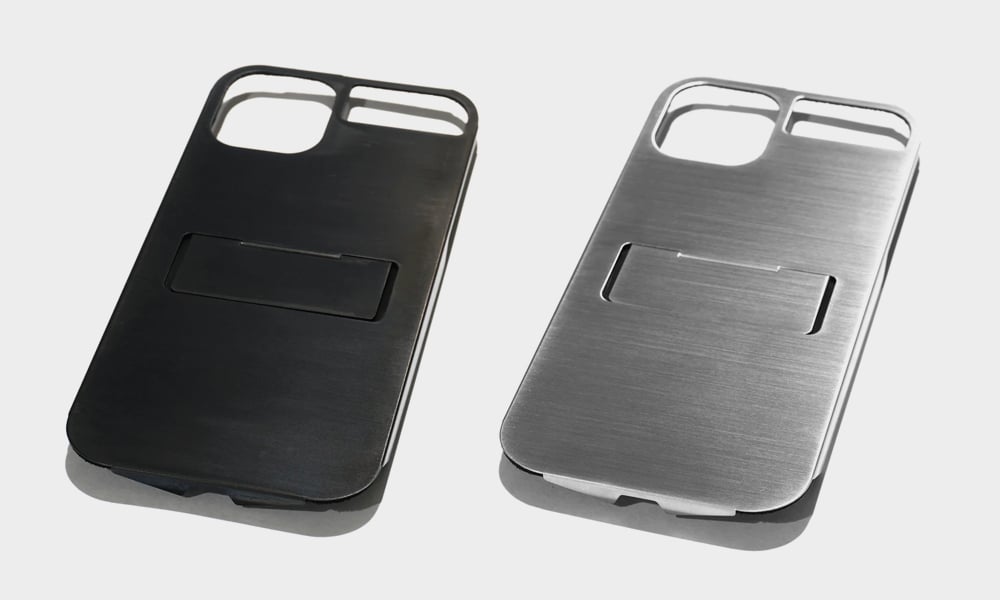
Building Resilience: Strategies for Maintaining Durability in Uncertain Times
Building resilience is essential for navigating the complexities and unpredictabilities of modern life. In uncertain times, it is crucial to develop a strong foundation that allows individuals and communities to bounce back from adversity. Strategies for maintaining durability often include fostering a positive mindset, nurturing relationships, and engaging in self-care practices. By prioritizing mental and emotional well-being, we can reduce the impact of stress and enhance our capacity to cope with challenges.
One practical approach to building resilience is to embrace adaptability. This can be achieved through
- Practicing mindfulness to stay grounded in the present moment.
- Setting realistic goals that encourage gradual growth and learning.
- Developing a support network that provides encouragement and shared experiences.
Counter-Strike is a multiplayer first-person shooter game where teams of terrorists and counter-terrorists compete to complete objectives, such as bomb defusal or hostage rescue. It has gained immense popularity over the years, with many players enjoying the tactical gameplay and team coordination required to succeed. If you're looking for gear to enhance your gaming experience, check out the Top 10 iPhone 17 case with camera cover for some great options that offer protection and style.
The Economics of Endurance: Why Investing in Durability Pays Off
In a world where trends change at a breakneck pace, investing in durability has emerged as a cornerstone of smart economic strategy. Durable products not only perform better over time but also provide significant savings and value for consumers. By choosing items built to last, businesses and individuals alike can reduce the frequency of replacements and repairs, leading to lower long-term costs. Furthermore, durable goods often attract environmentally conscious consumers, enhancing brand reputation and fostering customer loyalty. Consider the implications: the economics of endurance suggests that a higher initial investment in quality can yield substantial gains in the future.
Moreover, durable goods contribute positively to the broader economy. For manufacturers, focusing on quality and longevity can lead to a more sustainable business model, as it cultivates trust with consumers and reduces waste. According to studies, investing in durable products tends to stimulate local economies, as it encourages businesses to innovate and improve their offerings. A strong emphasis on durability not only ensures consumer satisfaction but also drives sustainable practices within industries. In conclusion, the case for investing in durability is clear: it's not just an economic choice; it's a strategic imperative that pays off in numerous ways.
Fragile vs. Durable: How to Make the Right Choices for a Sustainable Future
When considering sustainability, the choice between fragile and durable materials plays a crucial role in environmental impact. Fragile materials, often used for their aesthetic appeal and lightweight characteristics, tend to have a shorter lifespan and require frequent replacements. This not only contributes to waste but also demands more resources for production. On the other hand, durable materials, while sometimes heavier or more expensive upfront, offer longevity and resilience. Investing in these materials can lead to significant reductions in waste and energy consumption over time, making them a smart choice for a sustainable future.
To make informed decisions, consider the following factors:
- Longevity: Evaluate how long the material is likely to last.
- Maintenance: Consider the upkeep and resources required over its lifespan.
- End-of-Life: Think about what happens at the end of the material's use—can it be recycled or repurposed?