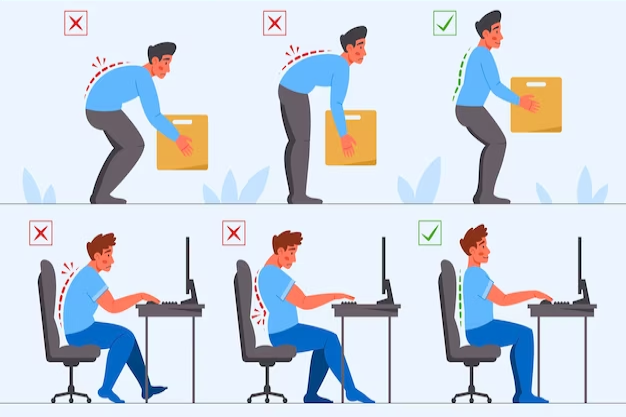
The Hidden Dangers of Your Office Chair: Are You Sitting Comfortably?
Many of us spend hours sitting in an office chair, often without considering the hidden dangers it may pose to our health. Poor ergonomics can lead to a myriad of issues, from chronic back pain to repetitive strain injuries. A poorly designed chair can negatively affect your posture, causing your spine to curve unnaturally. Over time, this can lead to long-term problems such as herniated discs or degenerative disc disease. To mitigate these risks, it is essential to select an office chair that offers proper lumbar support and adjustable height features.
Furthermore, the material of your office chair can also present hidden dangers. Many chairs are made from synthetic materials that can release volatile organic compounds (VOCs), contributing to indoor air pollution and causing headaches or respiratory issues. It's important to ensure that your workspace is not only comfortable but also safe. Here are some tips to consider when choosing an office chair:
- Look for chairs made from breathable, organic materials.
- Ensure the chair is adjustable to fit your body properly.
- Take regular breaks to stand and stretch.
By being mindful of these factors, you can create a healthier, more ergonomic workspace.
If you're looking for reliable and robust solutions, check out the Top 10 Heavy Duty Tablet Stands. These stands offer stability and durability, making them ideal for both personal and professional use. Whether you need a stand for a workshop, kitchen, or office, you'll find options that ensure your tablet stays secure while allowing for easy access and use.
Ergonomic Essentials: How to Choose the Right Office Chair for Your Health
Choosing the right office chair is crucial for maintaining ergonomic health during long hours of work. An ergonomic chair is designed to support your body comfortably, minimizing strain on your back and promoting good posture. When selecting a chair, pay attention to essential features such as adjustable height, lumbar support, and seat depth. These elements allow you to customize the chair to fit your unique body shape. For instance, the seat height should enable your feet to rest flat on the floor, while the lumbar support should contour to the natural curve of your lower back.
Additionally, consider the material of the chair and its ability to provide breathability and comfort. Mesh chairs are popular for their ventilation, while cushioned fabric options offer luxurious comfort for extended use. Furthermore, test the mobility of the chair; a good office chair should allow you to move freely without straining. Finally, invest in a chair that meets your specific needs as a user, whether you spend your days gaming, working at a desk, or attending virtual meetings—finding the right one will enhance your productivity and keep you comfortable.
Is Your Office Chair Sabotaging Your Productivity? Signs to Watch For
Your office chair plays a crucial role in determining your overall productivity. If you find yourself frequently adjusting your posture, experiencing discomfort, or struggling to concentrate, it might be a sign that your chair is sabotaging your productivity. Poor seating can lead to a lack of focus, increased fatigue, and chronic pain, all of which can dramatically affect your efficiency at work. Watch out for these symptoms:
- Persistent back or neck pain
- Difficulty maintaining concentration
- Frequent distractions due to discomfort
Another indication that your office chair might be hindering your performance is the impact on your workflow. If you find yourself frequently taking breaks to alleviate discomfort, this could lead to interrupted tasks and a fragmented thought process. Consider how often you shift in your seat or feel the need to stand up just to relieve tension. Such habits are not just signs of physical strain but can also disrupt your creative flow and make it difficult to dive deep into your work. Evaluate your chair against these criteria:
- Is it adjustable to suit your height?
- Does it provide proper lumbar support?
- Can you easily navigate your workspace while seated?