Understanding Smart Appliances: How Your Toaster Knows When to Toast
In the age of technology, smart appliances have revolutionized our daily routines, making them more efficient and connected. One of the most interesting examples is the smart toaster, a device that not only toasts your bread but does so with remarkable precision. Using integrated sensors and advanced algorithms, these toasters can detect the moisture content in the bread and adjust the toasting time accordingly. This ensures that you achieve the perfect level of browning, avoiding the guesswork that comes with traditional toasters.
Moreover, many smart toasters come equipped with Wi-Fi connectivity and companion apps, allowing users to customize their toasting preferences from their smartphones. This enhances the user experience by enabling features like saving favorite settings or even scheduling toasting times. With the ability to learn from user habits and preferences, these smart appliances transform the simple act of toasting into a personalized culinary experience.
Counter-Strike is a highly popular first-person shooter game that pits two teams against each other: the Terrorists and the Counter-Terrorists. Players can participate in various game modes, including bomb defusal and hostage rescue, utilizing a wide range of weapons and tactical strategies. For those looking to enhance their gaming experience, check out the Top 10 smart home accessories that can help create an immersive atmosphere.
The Rise of Intelligent Home Devices: Are They Making Us Smarter?
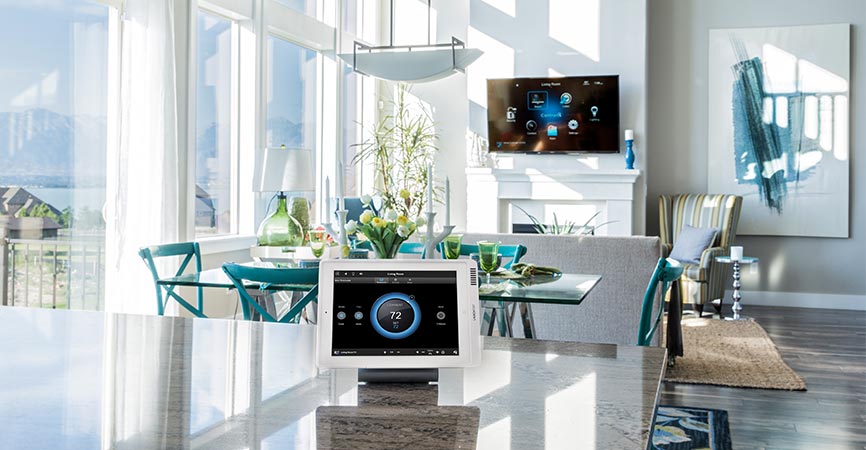
The rise of intelligent home devices has revolutionized the way we interact with our living spaces, merging convenience with technology in unprecedented ways. From smart thermostats that learn your preferences to voice-activated assistants that manage daily tasks, these devices are designed to enhance our lives. As they become more integrated into our homes, many users report feeling more informed and in control of their environments. This shift in interaction not only promotes efficiency but also encourages a smarter way of living.
However, one must consider the question: are these devices truly making us smarter? While they provide an array of benefits such as automated reminders and real-time information, there is a growing concern about our dependency on technology. Studies suggest that while we may be accumulating data faster than ever, reliance on smart home technology might diminish our problem-solving skills and memory retention. As we embrace these innovations, achieving a balance between convenience and cognitive engagement becomes crucial for our personal development.
Can Your Toaster Connect to the Internet? Exploring Smart Kitchen Technology
In recent years, the concept of a smart kitchen has gained massive popularity, with appliances integrating connectivity to the internet. One of the most surprising examples of this trend is the emergence of internet-connected toasters. These high-tech toasters can be controlled through smartphone apps, allowing you to customize browning settings, receive notifications when your toast is ready, and even schedule breakfast ahead of time. Imagine waking up to your favorite bread perfectly toasted, all thanks to a toaster that understands your preferences!
The rise of smart kitchen technology raises intriguing questions about convenience and functionality. As we delve deeper into this trend, it becomes clear that these devices not only enhance our cooking experience but also connect to larger smart home systems. From setting the perfect toasting time to syncing with your morning routine, a connected toaster can be a game-changer in kitchen efficiency. However, it also prompts discussions about privacy and security, as more appliances gain internet capabilities. Ultimately, the question remains: can your toaster really connect to the internet, and how might this shape the future of our kitchens?