The Ultimate Guide to HDMI, DisplayPort, and VGA: Which One Should You Choose?
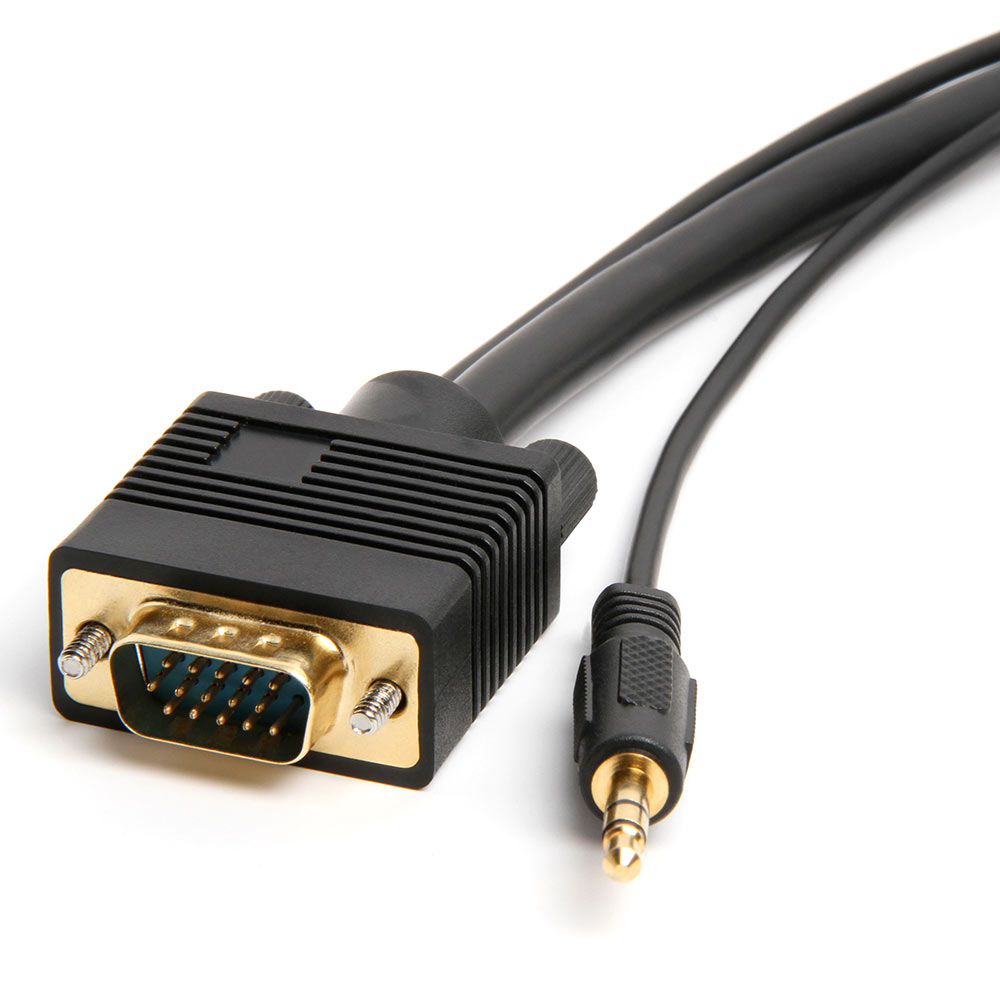
When it comes to connecting your devices, understanding the differences between HDMI, DisplayPort, and VGA is essential. Each of these interfaces has its unique strengths and is designed for different use cases. HDMI, or High-Definition Multimedia Interface, is widely used for TVs and home entertainment systems due to its ability to carry both audio and video signals. DisplayPort, on the other hand, is favored in the realms of gaming and professional computer displays for its high refresh rates and support for multiple monitors. Lastly, VGA (Video Graphics Array) is an older technology primarily used in legacy systems, delivering analog signals and generally considered less optimal for modern displays.
When deciding which interface to choose, consider the specific needs of your setup. For most modern applications, HDMI is the go-to choice for general use, especially in home theaters. If you need high-performance graphics and the ability to daisy-chain multiple screens, DisplayPort is the best option. On the flip side, if you are working with older equipment, VGA might still play a role, but it's important to note that its performance is limited compared to the other options. Ultimately, your decision should align with your device compatibility and the types of content you plan to enjoy.
Effective cable management is essential for maintaining a clean and organized workspace, especially when it comes to monitors. Here are the Top 10 Cable Management Solutions for Monitors that can help you reduce clutter and enhance your setup. From cable sleeves to clips and trays, these solutions can keep your cables hidden and easily accessible.
HDMI vs DisplayPort vs VGA: A Comprehensive Comparison for Gamers and Creators
When it comes to connecting monitors and other display devices, HDMI, DisplayPort, and VGA each offer unique advantages and specifications that cater to different needs, particularly for gamers and creators. HDMI (High-Definition Multimedia Interface) is widely used due to its ability to transmit high-definition video and audio over a single cable, making it incredibly convenient for home entertainment systems and gaming consoles. On the other hand, DisplayPort is designed with PC gamers and creative professionals in mind, offering higher bandwidth capabilities and support for multiple monitors from a single output. VGA (Video Graphics Array), while being older technology, is still relevant in certain contexts, mainly due to its compatibility with legacy devices, but it lacks the high resolutions and audio capabilities that modern applications demand.
For gamers, the choice between these interfaces may heavily influence the gaming experience. DisplayPort excels in delivering 144Hz refresh rates and 4K resolution across multiple screens, making it an ideal choice for competitive gaming setups. In contrast, HDMI has made significant advancements with its latest versions, supporting 4K gaming and features like Variable Refresh Rate (VRR), which enhances the experience on compatible devices. Lastly, while VGA might still be found on some older monitors, it falls short of the requirements for high-definition and modern gaming expectations, making it less favorable for today's gamers and creators.
What Is the Best Monitor Connection for Your Setup: HDMI, DisplayPort, or VGA?
When it comes to choosing the best monitor connection for your setup, the options often boil down to HDMI, DisplayPort, and VGA. Each connection type has its pros and cons, making it essential to understand your needs before making a decision. HDMI is popular for its ease of use and broad compatibility with various devices, including TVs and gaming consoles. Meanwhile, DisplayPort is favored for its higher bandwidth capabilities, making it ideal for high-resolution monitors and professional setups. On the other hand, VGA is an older technology that is mostly phased out but can still be found in some legacy devices.
To help you decide, consider the following factors:
- Resolution and Refresh Rate: If you aim for 4K gaming or high refresh rates, DisplayPort is your best bet.
- Device Compatibility: For casual users connecting multiple devices, HDMI offers the most versatility.
- Legacy Equipment: In scenarios where older hardware is still in use, VGA might be necessary, though it's not recommended for modern setups.