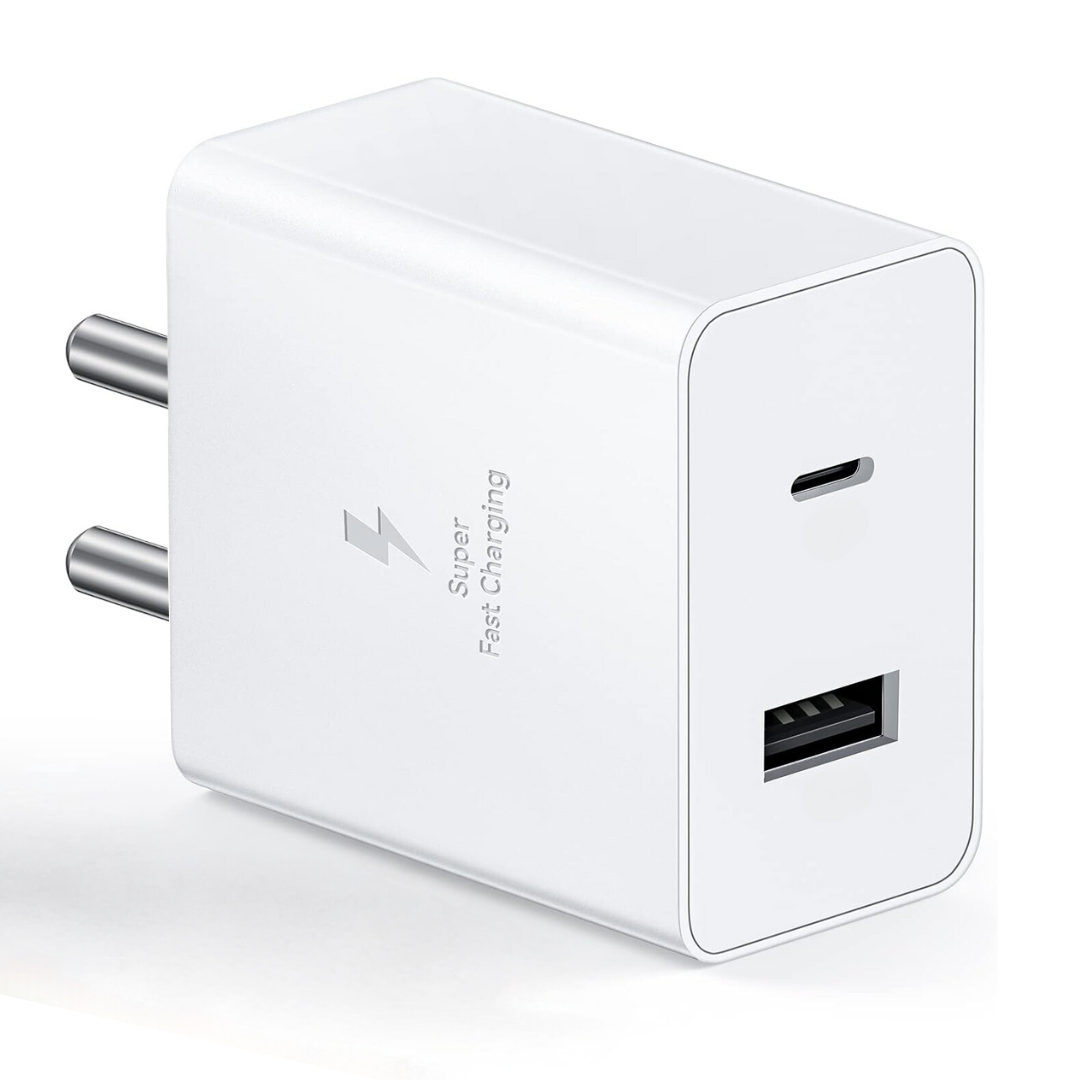
The Science Behind Slow Charging: What Really Affects Your Device's Battery
The process of slow charging devices involves a variety of scientific principles that impact the efficiency and longevity of your battery. At its core, slow charging allows for a gradual influx of power, which helps maintain optimal battery health. This method reduces heat generation, a major factor that can degrade a battery's lifespan over time. Factors that can influence slow charging include the type of charger used, the charging cable’s quality, and the device itself. Utilizing a high-quality, low-output charger can promote a safer and more effective charge cycle, preventing the rush of electricity that can overwhelm the cells in a lithium-ion battery.
Additionally, the temperature at which you charge your device plays a critical role in battery performance. Charging in a cooler environment can enhance the chemistry within the battery, allowing it to absorb energy more effectively. Conversely, charging in high temperatures can lead to thermal runaway, where excessive heat causes irreversible damage and may even result in battery swelling or leaking. Therefore, understanding the science behind slow charging not only helps in preserving battery health but also contributes to the overall safety and efficiency of your device.
Counter-Strike is a highly popular multiplayer first-person shooter game that pits teams of terrorists against counter-terrorists in various objective-based modes. The game's engaging mechanics and strategic gameplay have made it a staple in the e-sports community. If you're also interested in enhancing your gaming experience, you might want to check out the Top 10 Fast Chargers for Android Devices to ensure your devices are always powered up.
Top Myths About Fast Chargers Debunked: Are They Really Worth It?
One of the most common myths surrounding fast chargers is that they will damage your device's battery in the long run. Many people believe that the rapid charging process generates excessive heat, which can lead to battery degradation. However, manufacturers design modern smartphones and tablets with advanced thermal management systems and smart charging technologies that mitigate heat generation. In fact, studies have shown that fast chargers, when used with compatible devices, can optimally charge the battery without any significant harm. Understanding this can help consumers make informed decisions about the use of fast chargers.
Another prevalent misconception is that using a fast charger will drain your battery faster once it's fully charged. This stems from the assumption that the device will always demand a higher current even when it doesn't need it. In reality, once the battery reaches 100% charge, the smart charging circuitry in devices halts the current flow and switches to a trickle charge mode to maintain battery health. As a result, using fast chargers does not lead to quicker battery depletion, and opting for them can save time without compromising your device's longevity.
Why Does My Phone Take So Long to Charge? Common Issues Explained
There are several reasons why your phone might take longer than expected to charge. One common issue is the use of a poor-quality charger or cable. Low-quality accessories may not provide the necessary voltage or current, leading to inefficient charging. Additionally, using an older charger that is not compatible with your phone's specifications can significantly slow down the charging process. Using the recommended charger for your phone is essential for optimal performance.
Another factor that can affect charging time is the background applications running on your device. When multiple apps are active, they consume power and can cause your phone to charge more slowly. To improve charging speed, consider closing unused apps or enabling airplane mode while your phone charges. Furthermore, environmental factors such as extreme temperatures can also impact charging efficiency, so it’s best to keep your device in a moderate climate while plugged in.