The Evolution of Bluetooth: How We Went Wireless
The journey of Bluetooth technology began in 1994, when Swedish engineer Jaap Haartsen and his team at Ericsson developed a way to enable short-range wireless communication between devices. Initially designed as a wireless alternative to RS-232 data cables, Bluetooth's first version, known as Bluetooth 1.0, was launched in 1999. With limited range and connection stability, it faced challenges in gaining widespread adoption. However, as devices like mobile phones, laptops, and headphones started to embrace this innovative technology, Bluetooth evolved rapidly to enhance performance, increase range, and improve compatibility across devices.
Over the years, several versions of Bluetooth have emerged, each bringing significant advancements. For instance, Bluetooth 4.0, released in 2010, introduced low energy (LE) technology, paving the way for a new generation of wearables and IoT devices. This version allowed for wireless communication while conserving battery life, making it ideal for fitness trackers and smart home gadgets. Today, the capabilities of Bluetooth continue to expand with the latest version, Bluetooth 5.0, boasting increased data transfer speeds and extended range. As we look toward a future increasingly dominated by wireless technologies, Bluetooth stands at the forefront, showcasing how far we've come and the endless possibilities that lie ahead.
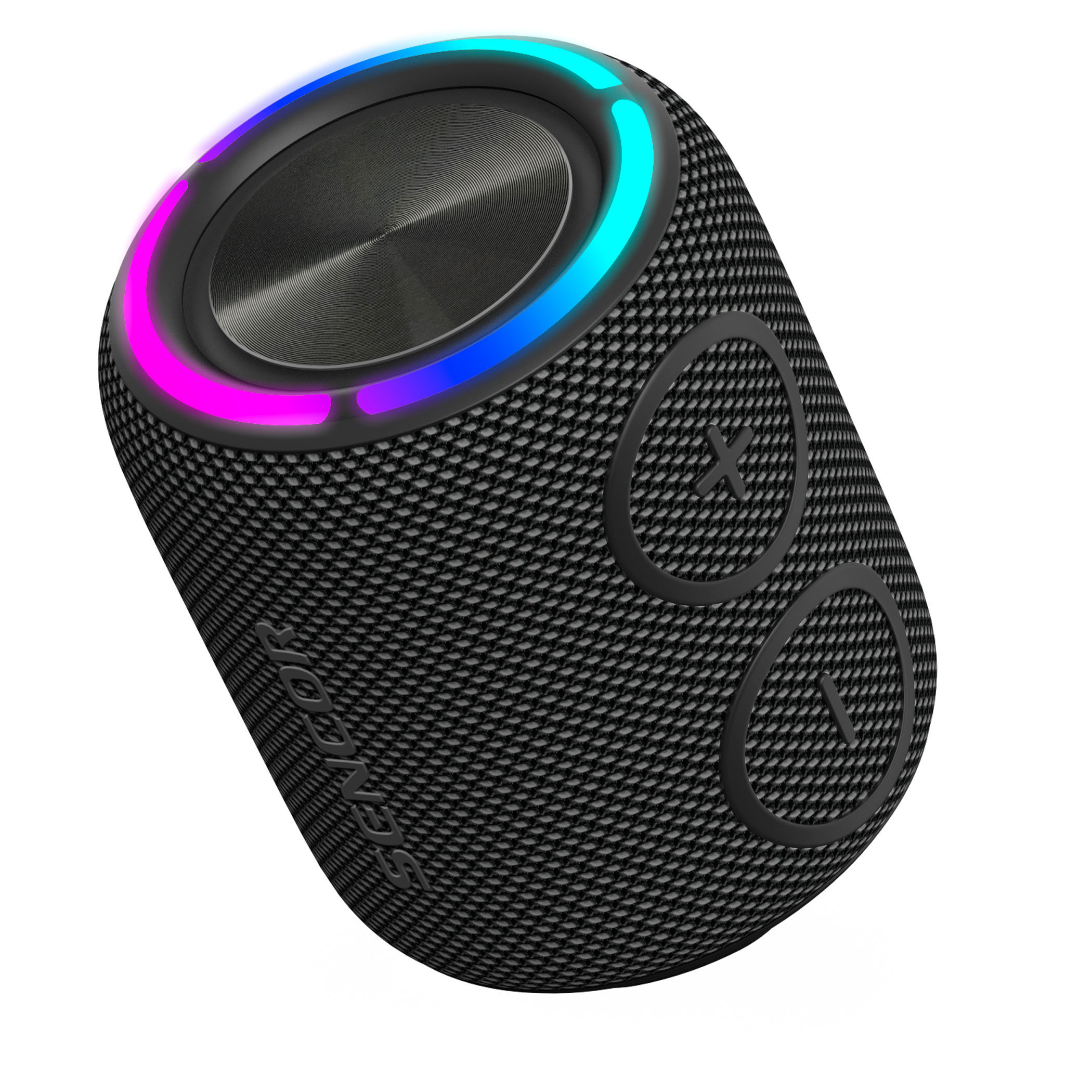
If you're looking for portable audio solutions, check out the Top 10 Small Bluetooth Speakers that offer excellent sound quality without compromising on size. These speakers are perfect for on-the-go listening, whether you're at the beach, in the park, or just relaxing at home. With various features and styles available, there's a small Bluetooth speaker to suit everyone’s needs.
5 Amazing Gadgets That Prove Bluetooth Is Here to Stay
Bluetooth technology has revolutionized the way we connect our devices, making it more convenient than ever to enjoy music, communicate, and control gadgets without the hassle of wires. Here are five amazing gadgets that showcase the versatility and staying power of Bluetooth:
- Wireless Earbuds: Compact and stylish, wireless earbuds like the Apple AirPods or Samsung Galaxy Buds allow for an immersive listening experience without being tethered to your phone.
- Smart Speakers: Devices such as the Amazon Echo or Google Home provide hands-free assistance, letting you control smart home devices and play music via simple voice commands.
- Fitness Trackers: Gadgets like the Fitbit Charge or Garmin Forerunner sync seamlessly with your smartphone, offering insights into your health and activity levels, all using Bluetooth technology.
- Portable Printers: The Canon Selphy or HP Sprocket allows you to instantly print photos from your phone, turning your digital memories into physical keepsakes in a flash.
- Bluetooth Trackers: Devices like Tile or Apple AirTag help keep track of your belongings, making it easy to locate misplaced items with a simple tap on your smartphone.
Common Bluetooth Issues and How to Troubleshoot Them
Bluetooth technology has revolutionized the way we connect devices, but it can sometimes be temperamental. Common Bluetooth issues include devices not pairing, poor audio quality, and unexpected disconnections. To troubleshoot these problems, first ensure that both devices are in pairing mode and within range. If the connection still isn’t successful, try turning off and on the Bluetooth settings on both devices. This often resolves minor glitches that can hinder the connection process.
Another frequent issue users encounter is interference from other electronic devices. To minimize disruptions, try moving away from any potential sources of interference such as microwaves or Wi-Fi routers. If you're experiencing choppy audio during calls or music playback, check for any available software updates for your devices, since manufacturers often release updates to improve performance and fix existing bugs. In addition, resetting your Bluetooth connection by forgetting the device and re-pairing it can restore functionality and improve connectivity.