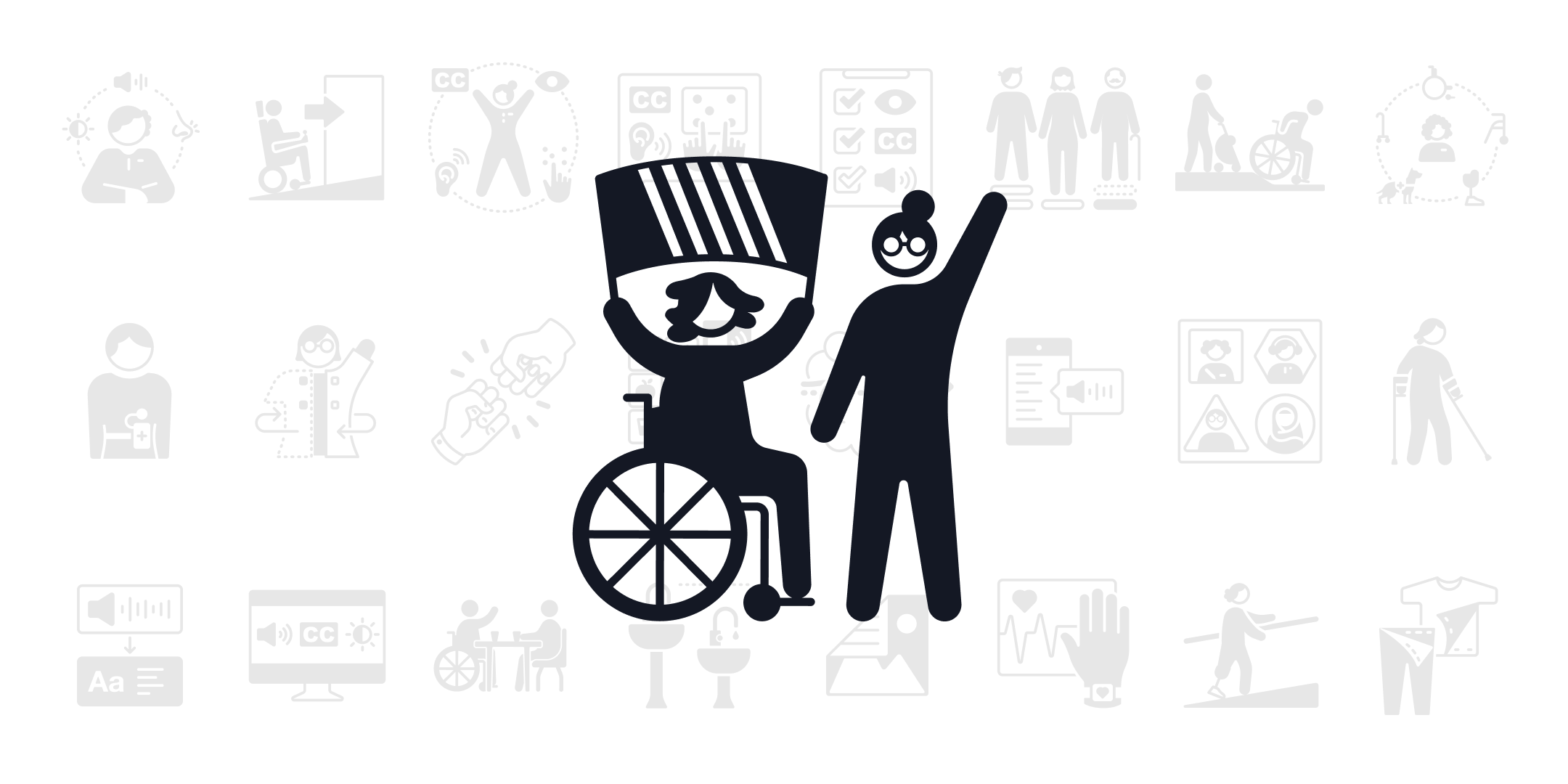
Unlocking the Future: How Accessibility Drives Innovation and Inclusivity
As we move deeper into the digital age, the emphasis on accessibility is becoming a key driver of innovation. Companies that prioritize inclusive design practices not only tap into a broader market but also foster creative solutions that benefit everyone. By creating products and services that cater to diverse needs, businesses are discovering new avenues for growth and efficiency. For instance, features designed for individuals with disabilities often enhance functionality for all users, highlighting how accessibility can serve as a catalyst for innovation.
Moreover, embracing accessibility in all sectors encourages a culture of inclusivity and equality. It paves the way for a society where everyone has the opportunity to contribute and thrive, regardless of their abilities. The integration of assistive technologies, such as voice recognition and alternative input methods, exemplifies how innovation flourishes when we consider the needs of all individuals. Ultimately, by unlocking the potential of accessibility, we can create a more equitable world that advances technology while uplifting marginalized communities.
Counter-Strike is a highly competitive first-person shooter game that has captivated gamers around the globe. It involves two teams, terrorists and counter-terrorists, who compete to complete objectives or eliminate each other. If you're interested in enhancing your gaming experience, check out the Top 10 iPhone Accessories for Seniors that can improve your gameplay on mobile devices. With its strategic gameplay and emphasis on teamwork, Counter-Strike remains a staple in the gaming community.
10 Surprising Benefits of Accessibility for Everyone
When we think of accessibility, it often conjures images of ramps and special services for those with disabilities. However, the benefits of accessibility extend far beyond this traditional view. Firstly, by creating spaces and platforms that are more accessible, we inadvertently make them better for everyone. For instance, features such as clear signage, intuitive navigation, and easy-to-use interfaces enhance the user experience for people of all ages and abilities. No longer do we exclude a segment of the population; instead, we foster an environment where everyone can participate fully.
Moreover, embracing accessibility can have positive impacts on a community's economic health. With improved access, businesses attract a broader customer base, increasing sales potential. Additionally, when spaces are designed to accommodate individuals with diverse needs, the overall satisfaction and loyalty of customers increase. This creates a ripple effect where communities flourish as they prioritize inclusivity. In short, the surprising benefits of integrating accessibility are numerous, advancing not just individuals but society as a whole.
Is Your Brand Missing Out? The Essential Question of Accessibility in Today's Market
In an increasingly competitive market, the question of accessibility is more crucial than ever. A brand that does not prioritize accessibility may inadvertently alienate a significant segment of potential customers. According to recent studies, approximately 15% of the world's population lives with some form of disability, meaning that a large number of users could be unable to engage with your website or products effectively. By ensuring that your brand is accessible, you not only comply with legal standards but also tap into a wider audience, enhancing your market reach and boosting your bottom line.
Moreover, accessibility goes beyond just meeting regulatory requirements; it reflects your brand's commitment to inclusivity and customer satisfaction. Brands that invest in accessible design often find that the benefits extend beyond just the disabled community. Consider implementing universal design principles that enhance the user experience for everyone. This can include features like alt text for images, keyboard navigation, and responsive design. The essential question your brand should be asking is: Are we doing enough to make our products and services accessible? Taking proactive steps can help ensure that your brand isn’t missing out on valuable engagement and loyalty.